
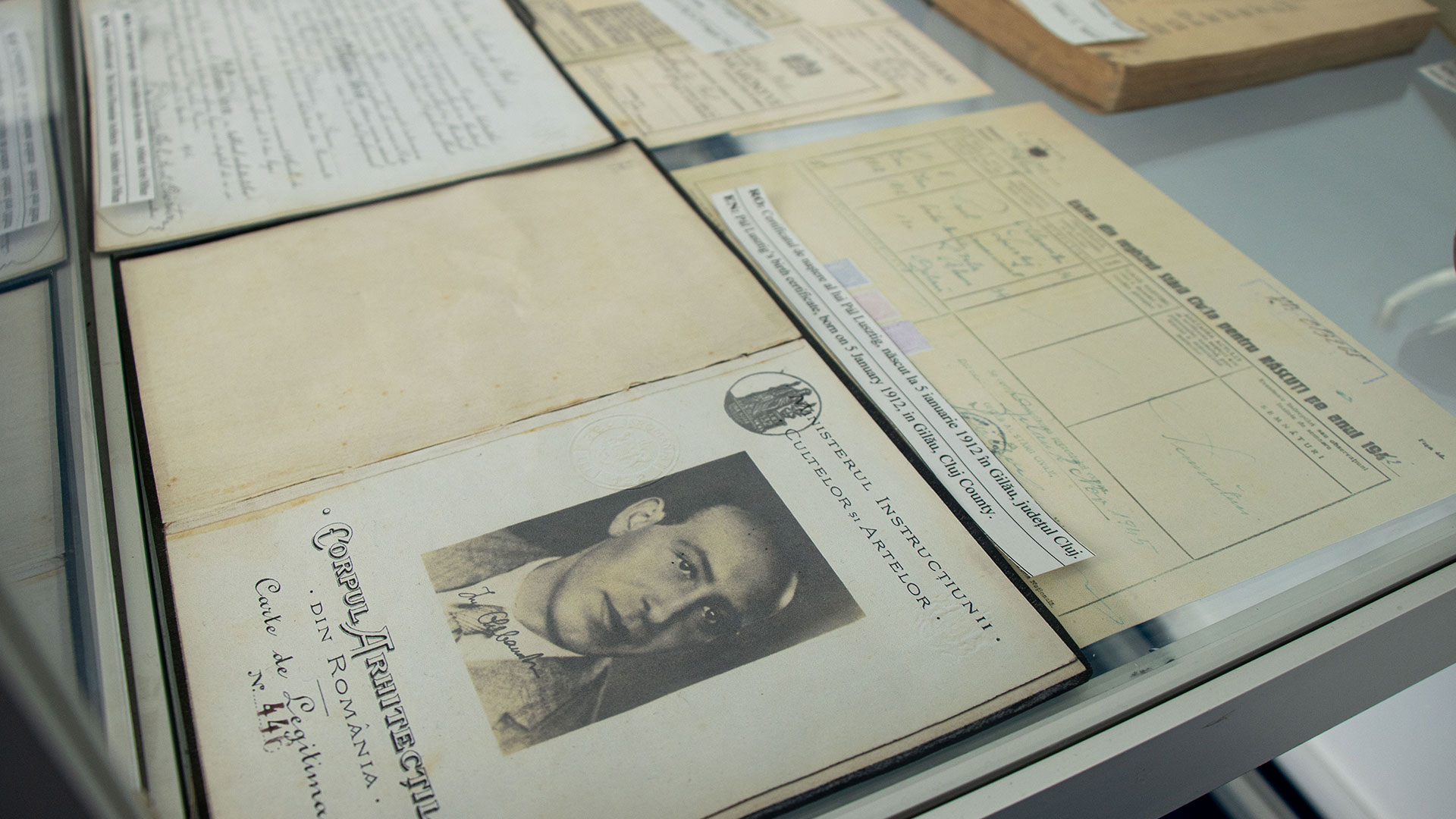
Access Entrance
Orar
- Monday–Friday | 12:00–3:00 PM
Tarife
- Adults | 12.00 lei
- Schoolchildren, students, pensioners | 6.00 lei
- Family ticket (2 adults + 1 child; free admission for all the other children) | 25.00 lei
- BBU students and employees (based on their student ID card and work ID card, respectively), children under 3 years of age, and persons with disabilities | free entry
Contact
Personal
- Dr. Gheorghe Gelu Păcurar, museographer
- holocaust.muzee@ubbcluj.ro
Telefon
- +40 (0)264 532 221
Events
Organized by The Museum of the Holocaust in Northern Transylvania
Overview
The Virtual and Documentary Museum of the Holocaust in Northern Transylvania was inaugurated on October 9, 2017, to commemorate, document, and educate about the Holocaust of the Jews in the northern Romanian counties ceded to Hungary in 1940, after the Second Vienna Award.
We wish to offer a unique museum experience that preserves the memory of the Holocaust and, at the same time, informs and educates visitors about the history and culture of the Jews of Northern Transylvania and the events that marked their deportation and extermination during the years of World War II. The museum gives visitors the opportunity to view survivors’ testimonies and access online collections, in addition to interacting first-hand with artifacts bearing witness to the Jewish Holocaust.
The primary mission of the Museum of the Holocaust in Northern Transylvania is the recovery, preservation, and transmission of the memory of the Holocaust as part of local and national history. Alongside the documents and physical exhibits arranged thematically on the museum’s premises and the video and audio testimonies of survivors and their families, the online collections, which are essentially virtual exhibitions covering segments of Holocaust history, offer visitors the opportunity to reflect on a painful past and its consequences in an academic setting.
The museum is open to the general public, with a special focus on the younger generation of school and university students, the local community of Cluj, as well as descendants of Holocaust survivors interested in the history of their families. The museum organizes lectures on the history and culture of the Jews of Northern Transylvania at the museum or in schools on Holocaust Memorial Days. Together with the Institute of Judaic Studies and Jewish History and the Judaic Studies Library, the museum also facilitates access to rich and appropriate educational resources for teaching about the Holocaust in schools.
Permanent exhibition
Founded to preserve and transmit the memory of the Holocaust to the Jews of Northern Transylvania, the Museum of the Holocaust in Northern Transylvania has organized its permanent exhibition around the Shoah. The exhibits are mostly related to the events that marked the discrimination, ghettoization, deportation, and extermination of Jews during the World War II and represent documents, photographs, memoir pages, cult objects, and multimedia products. Geographically, the permanent exhibition focuses on the Jewish communities in the Romanian areas annexed by Hungary in 1940, after the Second Vienna Award. Chronologically, it is mainly limited to the period 1940–1944. However, the historical narrative presented by the museum exhibition also draws on a broader context, before and after the Holocaust, for a more accurate understanding of the tragic fate of the Jews of Northern Transylvania.
The permanent exhibition of the Documentary Museum is organized both chronologically and thematically, accompanied by narrative and explanatory panels. The highlights of the exhibition include:
- the certificate issued by the English authorities in 1945, which refers to Sándor Goldenberg’s presence in the Dachau camp;
- the identity card issued by the Allied Forces for Alexandru Goldenberg on his release from the camp;
- a drawing from 1944 showing Áron Ohlbaum and his son entering the Cluj camp;
- a postcard sent by Áron Ohlbaum from the Bergen-Belsen camp in 1944 to his mother in Cluj;
- a postcard sent by Áron Ohlbaum to his mother in Cluj from Switzerland, where the passengers of the Kasztner train were sheltered after their liberation.
Most of the objects were donated by the families of the Holocaust survivors.
Activities
The museum is open to the general public. Guided tours are available for individuals or groups. For groups of schoolchildren and students, the museum organizes educational activities such as lectures on the Holocaust of the Jews of Northern Transylvania, viewing of survivors’ testimonies, and activities on Holocaust commemorative days (January 27 – International Holocaust Remembrance Day, and October 9 – the National Day of Commemorating the Holocaust in Romania). The online version of the museum provides permanent access, in both Romanian and English, to materials related to the history of the Holocaust of the Jews of Northern Transylvania, testimonies from Holocaust survivors, documentary collections, as well as exhibitions and events organized with high school students from Cluj.
Collections
The Virtual Museum includes the collections of the Documentary Museum in digital format (Avraham/Erwin Olbaum Collection, Prof. Dr. Vasile Bogdan Collection, Lusztig Collection, Ellenzék Collection).
All these collections can be accessed online.
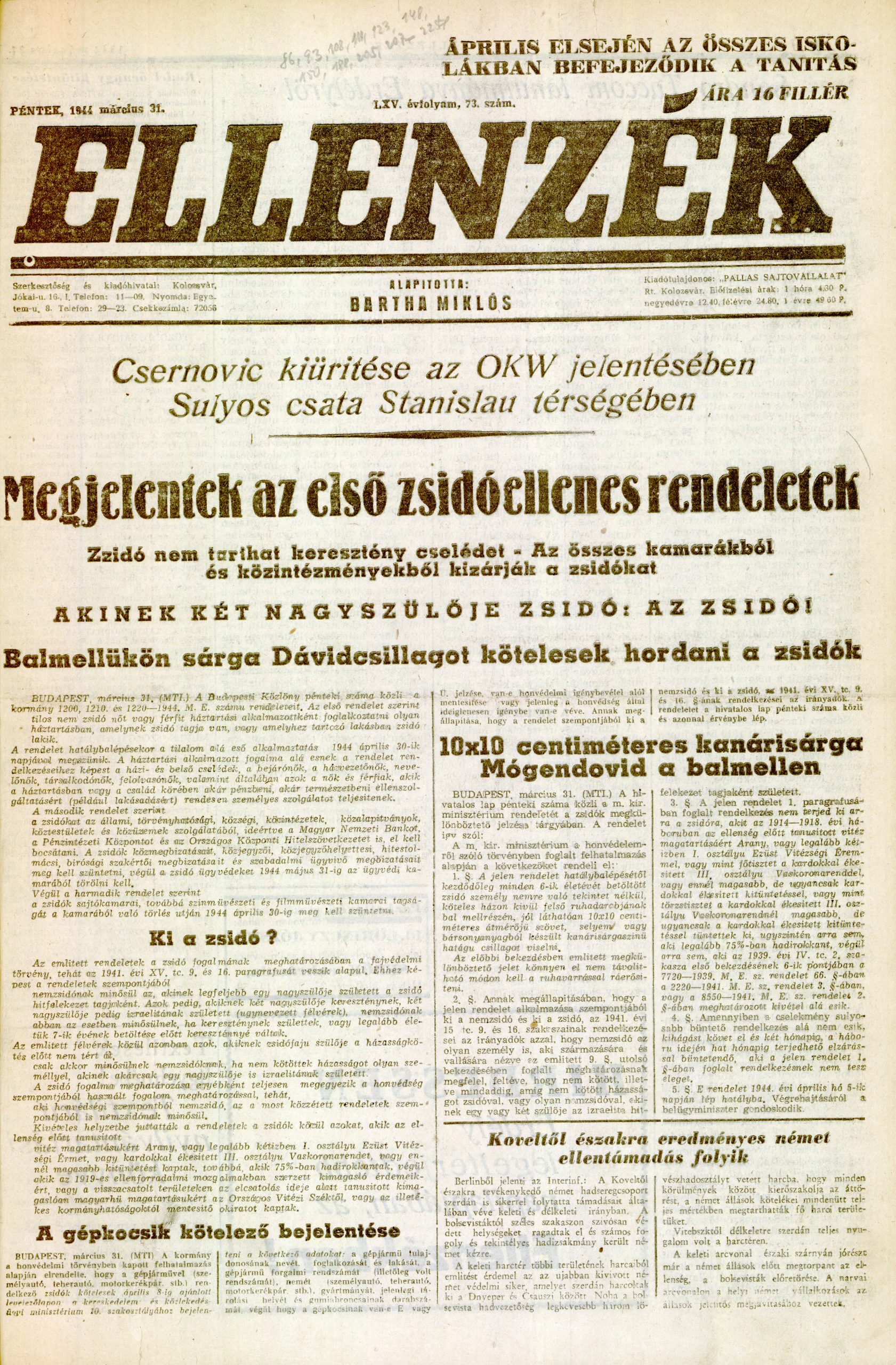
Ellenzék Collection
The Ellenzék Collection comprises 23 digitized excerpts from the Cluj newspaper Ellenzék, covering antisemitic measures from 1940 to 1944….
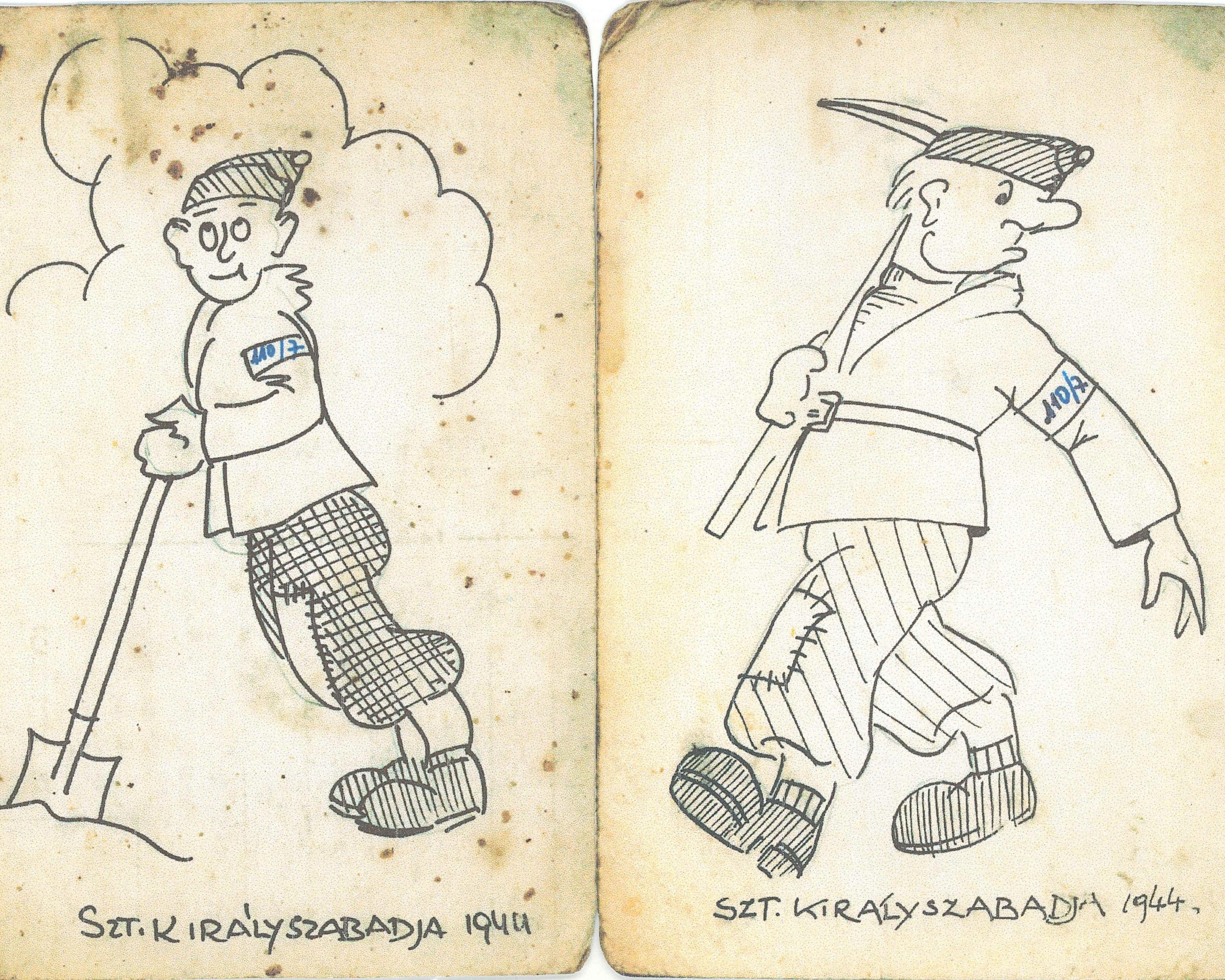
Lusztig Collection
The Lusztig Collection consists of 37 documents on the history and fate of the Lusztig family during the Holocaust….
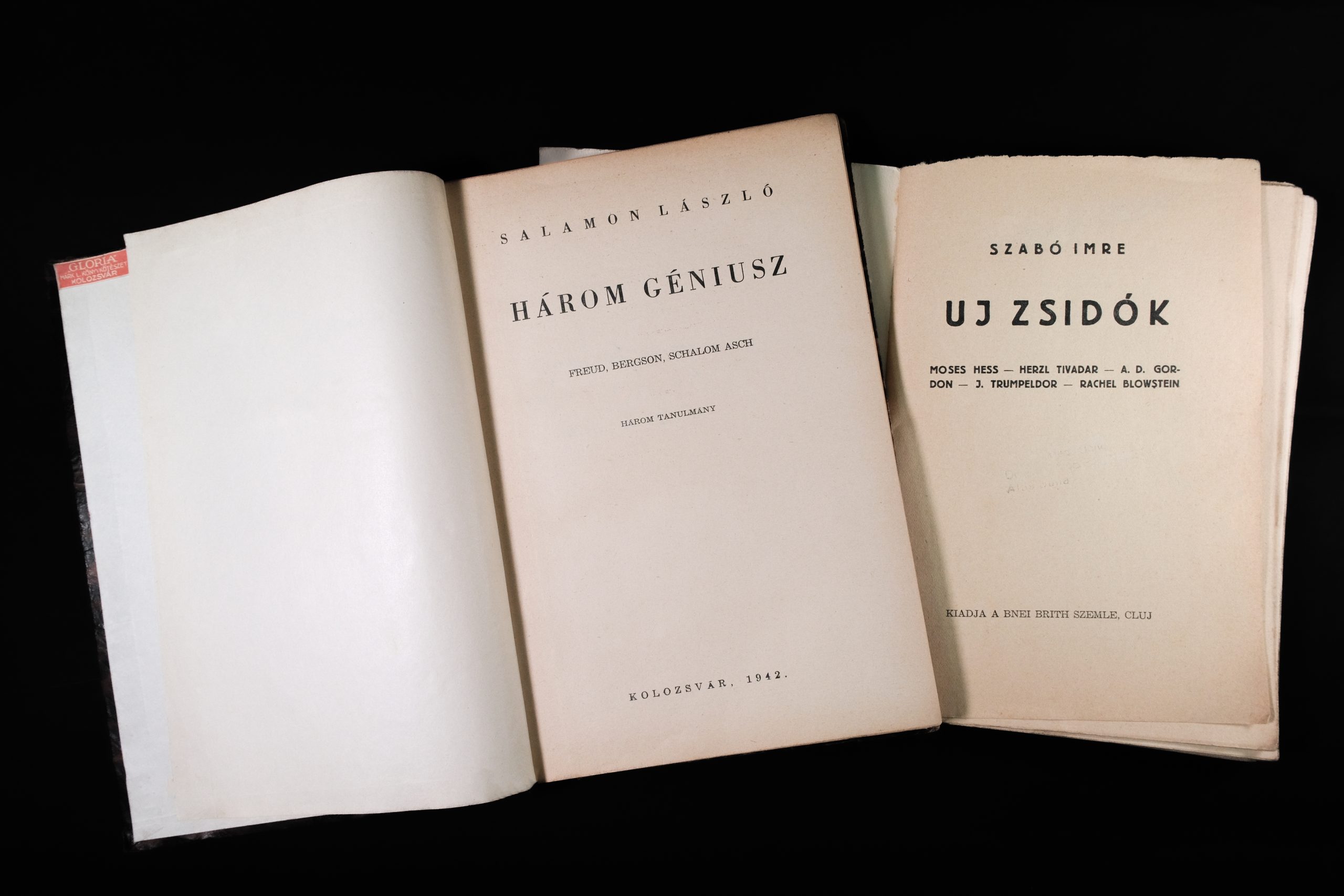
Interwar book collection
This collection comprises 13 books, primarily published in Transylvania during the interwar period and World War II. The majority of…
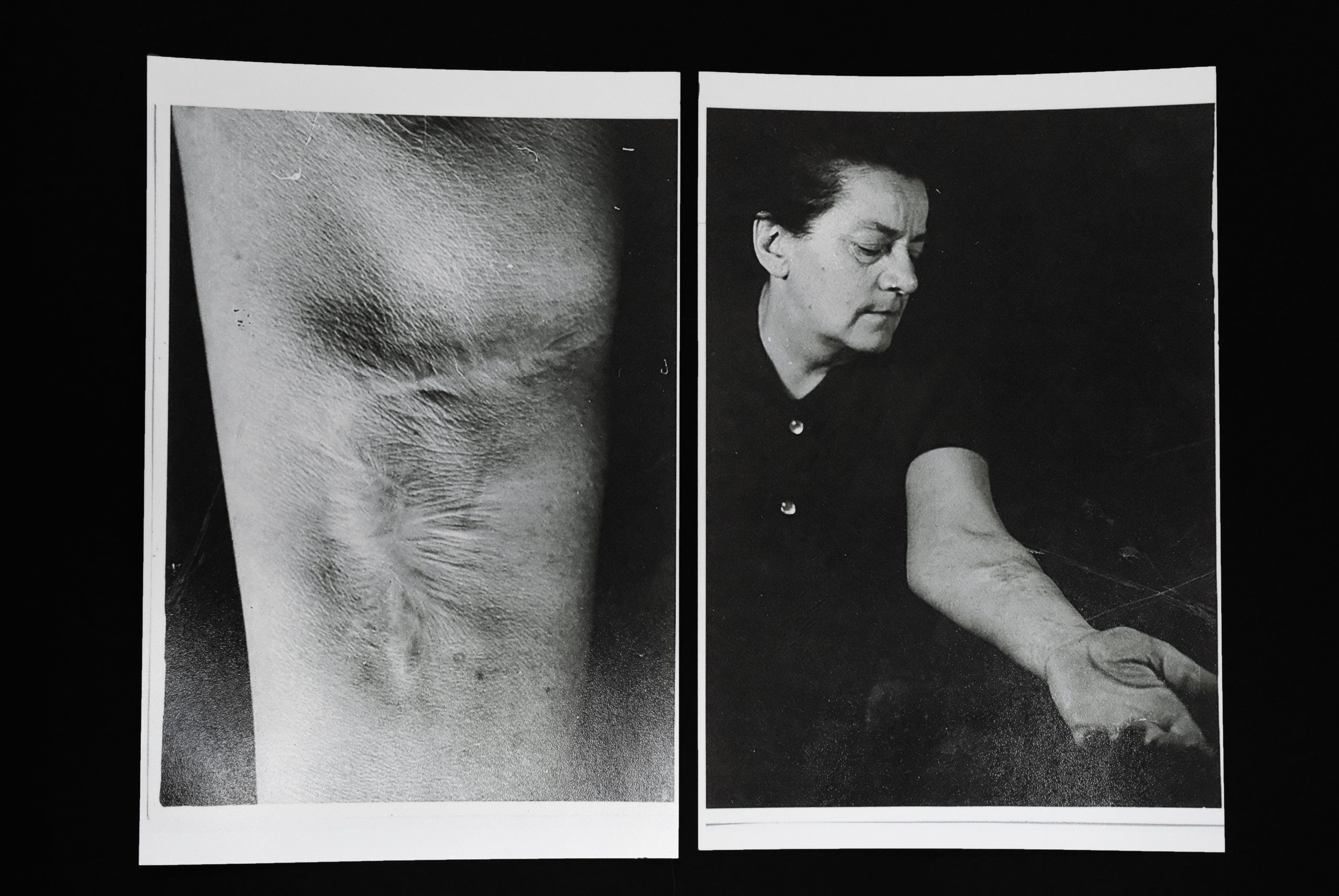
Prof. Dr. Vasile Bogdan Collection
The Prof. Dr. Vasile Bogdan Collection contains nine original documents donated by Prof. Dr. Vasile Bogdan of Babeș-Bolyai University….
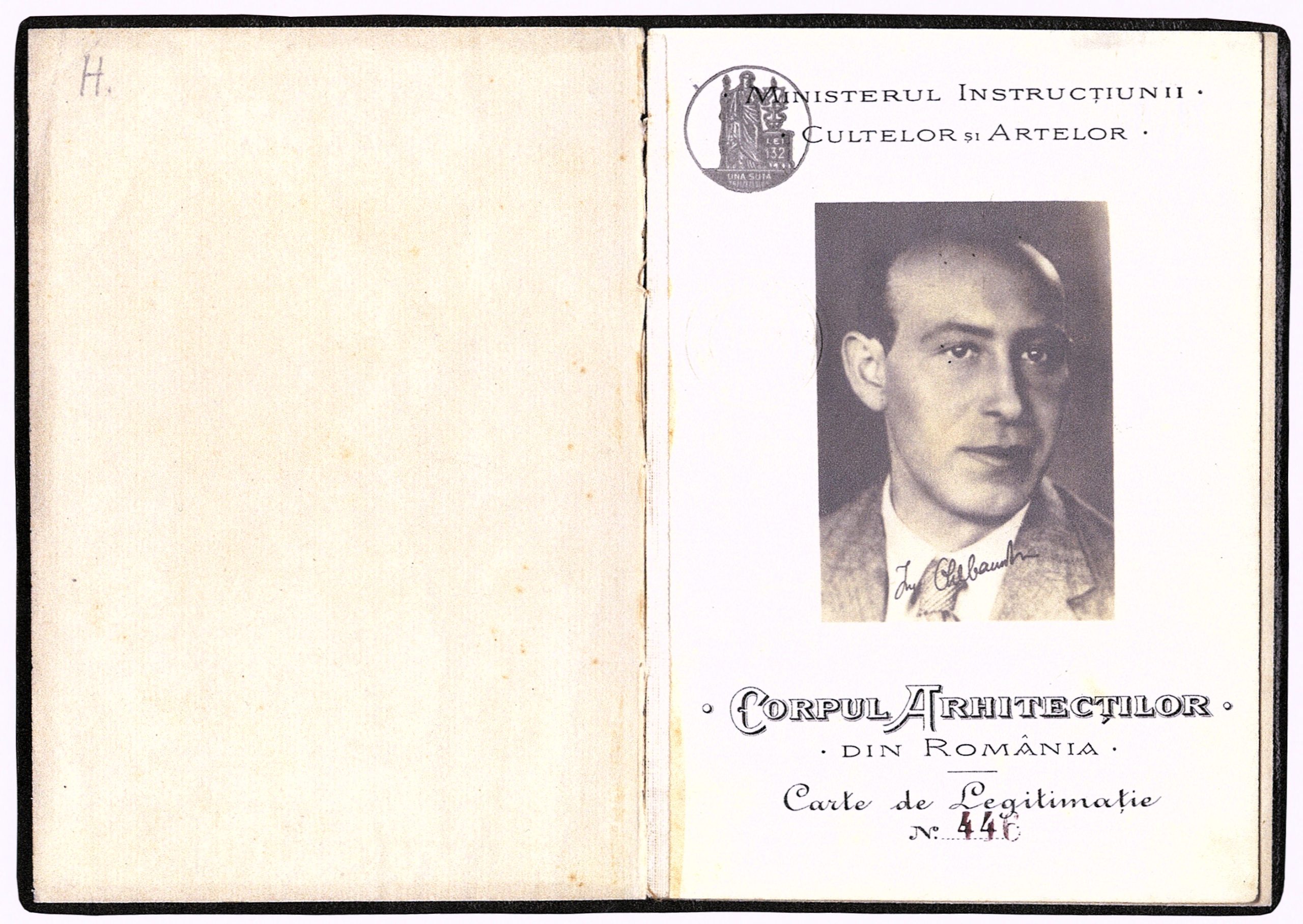
Avraham/Erwin Ohlbaum Collection
The Avraham/Erwin Ohlbaum Collection comprises two exhibits: ID card number 446, Romanian Architects Association, and Prayers in Hebrew, written by…